
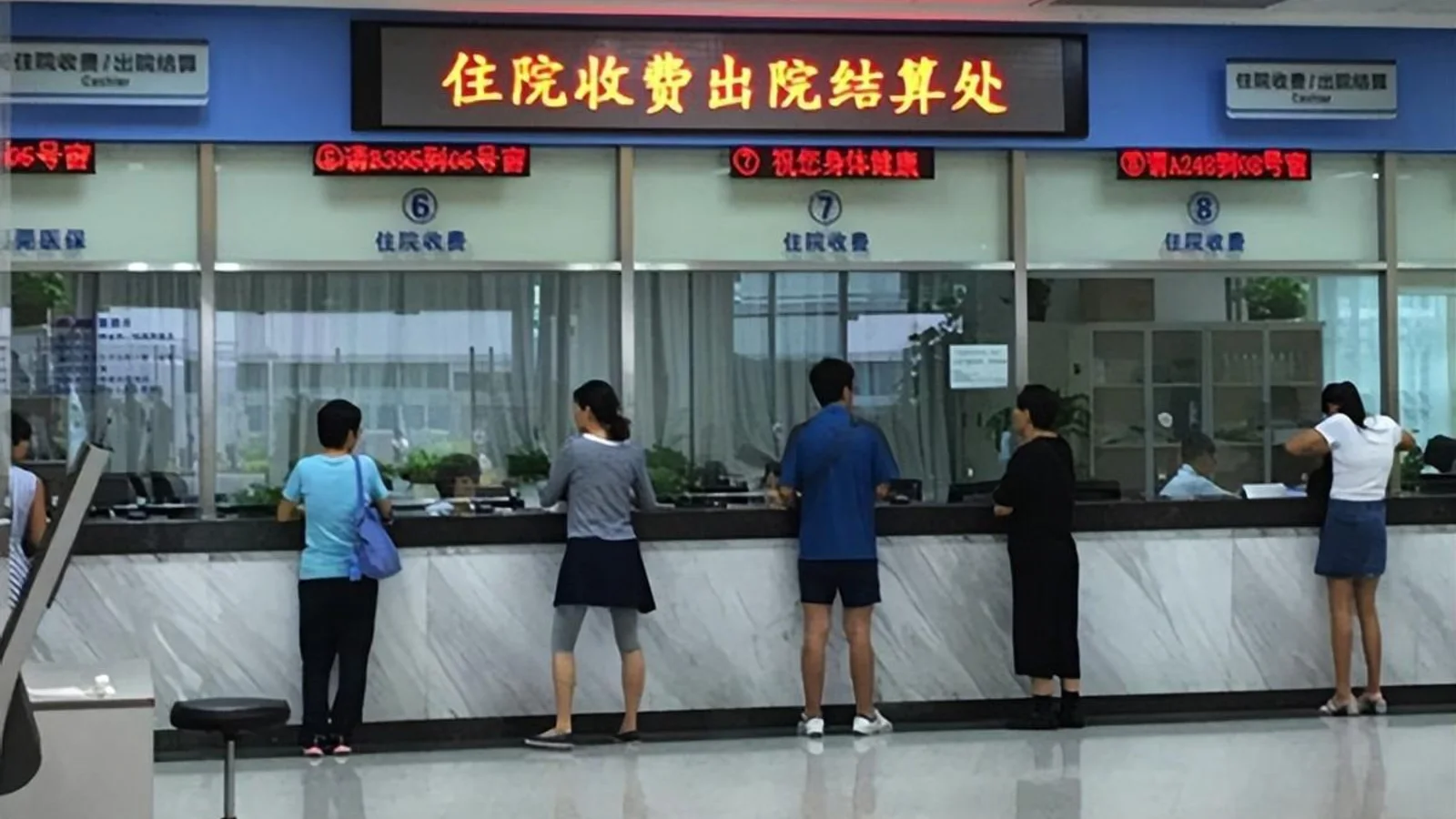
If you need to make a hospital appointment in China as a foreigner, start with the hospital's official website—not a copied directory listing or an unverified booking link. Official hospital pages are the safest place to check the department, contact route, registration notice, and whether an international department may be a better fit. The final appointment route, language support, documents, payment, and availability still need direct confirmation from the hospital.
Quick answer: confirm the department and foreign-passport route on the hospital's official website or through its international department before relying on an app or mini-program. Use self-service only after the hospital, visit type, and payment setup are clear; for an unfamiliar, time-sensitive, or multi-step case, contact the hospital first and obtain the appointment details in writing.
Booking a hospital appointment in China often looks simple until you try to do it from outside the country. You may find the hospital name quickly, and the official website may even show several booking links. At first glance, it feels as if the next step should be obvious.
Then the route starts to split. The same hospital may have a standard outpatient clinic, an expert clinic, a WeChat mini-program, a hospital app, a phone line, and a separate international department. These are not just different buttons for the same visit. They can lead to different registration rules, different prices, different language support, and very different levels of help before you arrive.
That is where many foreign patients lose time. The real problem is usually not finding a hospital name. It is choosing the entry point that fits the case. Before you book anything, ask a more useful question: “Which appointment route matches my condition, my language needs, and the amount of coordination I need before I travel?”
Start here: choose the route before you choose the tool
Before you click the first booking link you see, decide what kind of route you actually need. This matters more than many people expect. On paper, a standard public clinic and an international department may sit under the same hospital name. In practice, one may be lower cost but harder to navigate, while the other may be more expensive but easier to coordinate from overseas.
| If your situation is... | Start with... | Do not assume... |
|---|---|---|
| You know the hospital and department, and the visit is simple | The official hospital booking route or app | A listed doctor or submitted request is already a confirmed slot. |
| It is a first visit, you need English support, or overseas records matter | The hospital's international department or official inquiry route | Every international department can arrange every specialty or test. |
| You are unsure which specialty should see you | Official hospital contact or an international coordinator | A general booking category will be corrected automatically. |
| The trip is short or may involve diagnostics and follow-up | Direct written confirmation from the hospital | One outpatient booking covers testing, results, and later appointments. |
A standard public clinic is often enough
A standard public clinic is often enough when the case is straightforward and you already know the likely specialty. If your main goal is to keep costs lower, and you are comfortable with a faster, more local-style workflow, the regular public route may be perfectly reasonable.
This is often true for a simple follow-up, a familiar specialty problem, or a visit where you mainly need one consultation rather than extensive coordination. It becomes less comfortable when you need records reviewed, several tests arranged, or help deciding which department should see you first.
An international department is often better
An international department is often the better choice when this is your first visit in China, especially if you need English support or want someone to review outside records before arrival. It also makes more sense when the visit may involve tests, follow-up, payment questions, or a decision about whether treatment in China is realistic at all.
As a rough rule, the more uncertainty there is around the visit, the more useful the international route becomes. You are not only paying for the doctor’s time. You are paying for a clearer service path.
What to prepare before you contact any hospital
Hospitals and international coordinators usually ask for the same core details first. This is not unique to China. Large international hospitals often begin with identity details, contact information, a short medical summary, preferred timing, and language needs before they discuss the exact appointment.
Collect that before you send the first message. Use your name exactly as shown on your passport, add your date of birth, phone number, email, current country or city, preferred China city if known, a short English summary of the problem, and the most relevant recent records. If you already know the likely department, say so. If you do not, describe the symptom or diagnosis clearly instead of guessing.
The booking paths foreigners use most
1. International department contact
For many first-time foreign patients, this is the cleanest route to start with. It usually gives you room to ask basic questions before anyone expects you to use a local app or show up at a counter. If you need English support, help choosing the right department, or help sending records before arrival, this is often the least stressful place to begin.
It is also useful when insurance, deposits, or payment methods may affect the plan. Depending on the hospital, the contact may happen by email, phone, website form, or a hospital-specific inquiry page for overseas patients.
2. Official hospital website
The hospital's official website is usually the safest public source for clinic schedules, doctor lists, registration notices, booking links, and official phone numbers.
Even if you later book through an app or another channel, start here. It is the easiest way to check that the department is real, the booking path is current, and the contact information has not been copied from an old or unofficial page. Use our to compare hospitals first, then open the official website shown on the relevant hospital card to confirm the route directly.
3. WeChat mini-program or official app
These tools are normal in China, but they are not always friendly to a first-time international patient. If you already know the hospital, the department, and the visit type, they can be efficient. If you are still figuring things out, they can become a frustrating detour.
Many require phone verification, identity setup, payment setup, and Chinese-language navigation before you can get anywhere useful. That is why an app should usually come after the route is clear, not before.
4. Phone line or direct staff contact
This is still one of the best options when the case is unusual or hard to place quickly.
It is also useful when the right department is not obvious, when you need to ask whether the hospital regularly handles international patients, or when you need to confirm whether outside records can be reviewed before arrival.
5. Walk-in or same-day registration
Some hospitals still allow walk-in or same-day registration, but it is usually the weakest option for a medical traveler on a schedule.
It may be acceptable for a simple visit. Once you want a specific specialist, have only a few days in China, need interpretation, or may need more than one department involved in the same trip, it becomes much riskier.
What happens after you send a booking request
After you send a request, do not expect every hospital to reply with a clean appointment immediately. Sometimes the answer is simple: a date, a time, and a department. Just as often, the hospital asks for more records, asks for a clearer summary, tells you the department is wrong, or suggests using the international department instead of the standard clinic.
If the visit can be scheduled, the confirmation should tell you the registration time, the department or doctor name, where to report first, what documents to bring, and whether payment or app setup has to be completed before arrival. If the reply does not answer those points, ask again before you build travel plans around it.
What counts as a confirmed appointment
A submitted form, successful app registration, and a visible doctor listing are not always the same as a confirmed visit. Before arranging travel, make sure you can tie the booking to the department or clinic, the date and check-in time, the hospital campus or location, and the passport-registration route you will use on the day.
For a multi-step or time-sensitive visit, also ask whether records must be reviewed first, whether a deposit or payment verification is required, and how tests or follow-up are normally arranged. If an app only shows an unverified request, treat it as a request rather than a completed appointment until the hospital confirms the details.
The five details worth confirming in writing
Before booking travel, ask the hospital or international department to confirm: the exact department or clinic route; whether the named doctor is an appointment request or a confirmed slot; the check-in time and campus; whether records need review before the visit; and whether payment, a deposit, or app verification is required on the day. A hospital name alone is not a booking confirmation.
If the hospital offers an international medical center, use that contact route to clarify language and coordination support. It does not establish that a specialty team is the right clinical fit, and it does not replace the hospital's own appointment confirmation.
What delays patients most
The most common mistakes are not dramatic. They are small decisions that quietly waste time. Patients book before deciding whether the public or international route is the better fit. They choose a broad department without giving a clear symptom summary. They send a message without passport-name details or dates. They try to use an app before payment setup works.
Another common mistake is assuming one booking path will automatically cover consultation, testing, and later treatment. It often does not. If the first visit is likely to lead to tests or follow-up, ask how those steps are usually arranged.
When self-service booking is enough
Use a self-service route when the hospital is already chosen, the department is already clear, the visit is simple, the timing is flexible, and you do not expect much extra coordination. That usually describes a routine dermatology visit, a return visit to a known department, or a simple consultation in a large city hospital.
When to contact the hospital first
Direct contact is usually better when you are still unsure which department fits. It is also safer when the case may involve surgery, cancer, fertility, or another multi-step pathway; when outside records need review; when you need English support; or when you want to know whether an international department is worth the extra cost before you commit.
A short message template that works better
You do not need to write a long life story. One clear paragraph is usually enough: your full passport name, your age or date of birth, where you are now, the main diagnosis or symptom, which key records you have, your preferred dates, whether you need an interpreter, and whether you are asking about a public clinic or an international department if that distinction already matters.
Quick checklist before you send anything
- Do I know whether I need a public clinic or an international department?
- Do I know the likely specialty or at least the main symptom?
- Do I have my passport-name details ready?
- Do I have a short English summary of the case?
- Do I know whether app or payment setup could block booking?
- Do I need direct hospital help instead of guessing through a self-service tool?
Next step
If booking is the main problem you are trying to solve, and open the official website shown on the relevant hospital card. If booking is only one part of a bigger decision about records, timing, and likely costs, go to .
Sources and review note
- lists hospital international-service routes; availability and booking rules must still be confirmed with the individual hospital.
- illustrates the type of direct international-patient contact route some large public hospitals provide.
- For app-based registration and payment preparation, see the . Payment capability does not confirm appointment availability.