
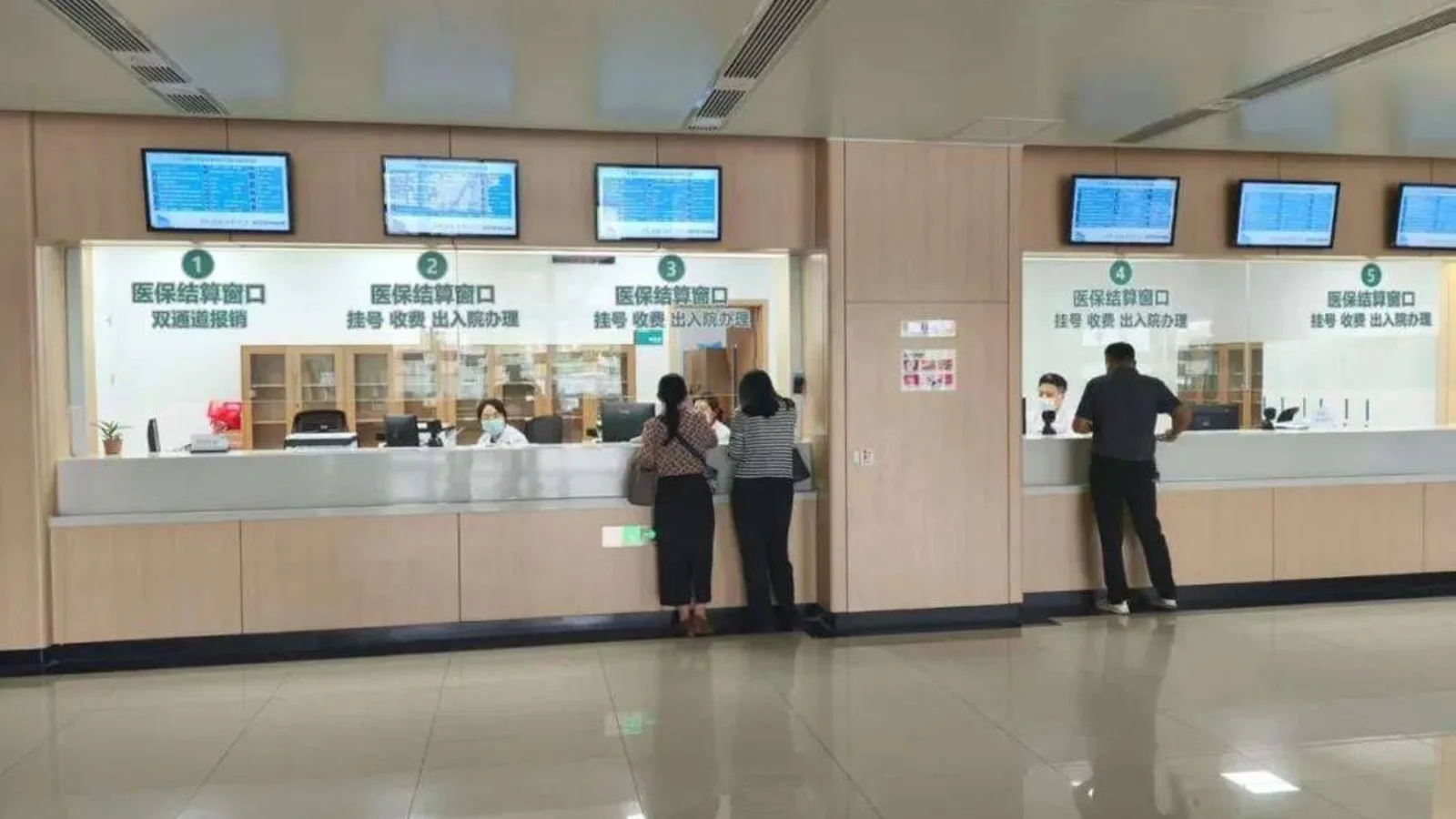
Many patients finish the medical part of the visit and mentally move on. That is where the later trouble begins. The consultation may be over, but if you leave without the right records, invoices, or diagnosis documents, you can create avoidable problems for insurance claims, follow-up care, a second opinion, work or visa paperwork, or another hospital in another country.
The documents people most often confuse
The first thing to understand is that these documents are not the same. A medical record is the hospital’s clinical record of the visit, including notes, diagnosis, and treatment details. A test report is the result document for lab work, imaging, ECG, pathology, or scope tests. An invoice or receipt proves payment. A diagnosis certificate is a formal statement of the diagnosis or medical finding, often needed for claims or administration. A discharge summary explains what happened during inpatient care.
Patients often ask for “the records” and assume staff will know everything they need. That is risky. Different documents may come from different counters, systems, or departments, and some may not be ready at the same time.
What to ask for before you leave
Depending on the visit, ask for the test reports, imaging reports, pathology reports, diagnosis summary or diagnosis certificate, official invoice or itemized receipt, discharge summary if you were admitted, and medication record if relevant. Do not assume these will automatically arrive by email later, and do not assume the hospital app will store everything in a format your insurer or home doctor can use.
When this matters most
This matters even more when you paid first and plan to claim reimbursement, you are leaving China soon, treatment will continue elsewhere, or the case involved surgery, admission, or major testing.
The best way to ask
Do not ask one broad question such as, “Can I get the records?” Ask for the exact thing you need: the test reports, the official invoice, the diagnosis certificate, the discharge summary. Specific requests are easier for staff to understand and process, especially if language support is limited.
Why patients miss documents
Patients usually miss documents because they do not realize the documents are separate, assume the payment receipt is enough, leave before the final report is ready, fail to ask which office handles each document, or trust the app to store everything they will need later.
A simple rule before you walk out
Before you leave the hospital, ask yourself whether you have proof of payment, proof of diagnosis, the reports linked to this visit, and the inpatient papers if you were admitted. If any answer is no, the paperwork is not finished yet. It is much easier to fix that while you are still inside the hospital than after you have left the city or country.
What to keep together
Store the invoices, receipts, reports, diagnosis documents, and discharge papers in one place. Use clear filenames and keep both digital and printed copies when possible. If you will continue care elsewhere, arrange the files by date and visit type so another doctor can understand the sequence quickly.
Ask which document is final and which is provisional
Before you leave, ask whether any imaging, pathology, discharge, or billing document is still pending and where it will be issued. A same-day printout, an app result, a stamped invoice, and a final report may be different documents. If you need an English version or a translation, confirm who can provide it and whether the insurer or next clinician accepts that format.
For safety and privacy, collect only your own documents through the hospital's official counter, portal, or contact route. Requirements vary by hospital, department, and the purpose of the request.
Next step
If you want documents, payment, and follow-up organized into one checklist, go to . If you want to understand the likely financial impact of tests, medicine, or admission before travel, go to . If you are still deciding which hospital path is easier to manage, go to .
Sources and review note
- is an example of an official hospital international-patient contact route for questions that need direct hospital confirmation.
- For travel administration, the is separate from medical paperwork. Do not confuse accommodation registration with a medical or insurance document.