
In Chinese hospitals, a follow-up is usually not a vague "come back later" idea. It usually has a specific purpose. The doctor may want to review results, see whether the medicine worked, decide whether treatment should continue or change, refer you elsewhere, or confirm whether a procedure is needed. For many foreign patients, this is where confusion starts, because the first visit often opens the case but does not finish it.
The three follow-up patterns you will see most often
One common pattern is: visit first, test later, discuss results later. You see the doctor, pay for tests, complete the tests, and return for interpretation. Sometimes the review happens later the same day, but sometimes it becomes a separate visit, especially when imaging, pathology, or specialist review is involved.
Another pattern is treatment first and reassessment later. If the case looks straightforward, the doctor may start treatment and ask you to return only if symptoms do not improve, symptoms return, side effects appear, or a routine recheck is needed. A third pattern is one department leading to another. The first doctor may send you to ENT, gynecology, gastroenterology, imaging, or another specialist clinic because the first visit is mainly a routing step.
Why follow-up feels confusing to first-time patients
Many patients expect the first visit to answer everything. In practice, the first visit in China often creates direction, and the follow-up creates the next decision. That does not automatically mean the system is inefficient. It often means outpatient care is being handled step by step.
What to clarify before you leave the first visit
Before leaving, ask whether you need to come back or only return if symptoms continue, when you should come back, whether the next step is a result review, a procedure, or a new consultation, whether you return to the same doctor or department, whether results can be seen in WeChat or another system first, and what should make you come back earlier. If those answers are vague, the follow-up plan is not ready yet.
Do not assume follow-up means no new registration
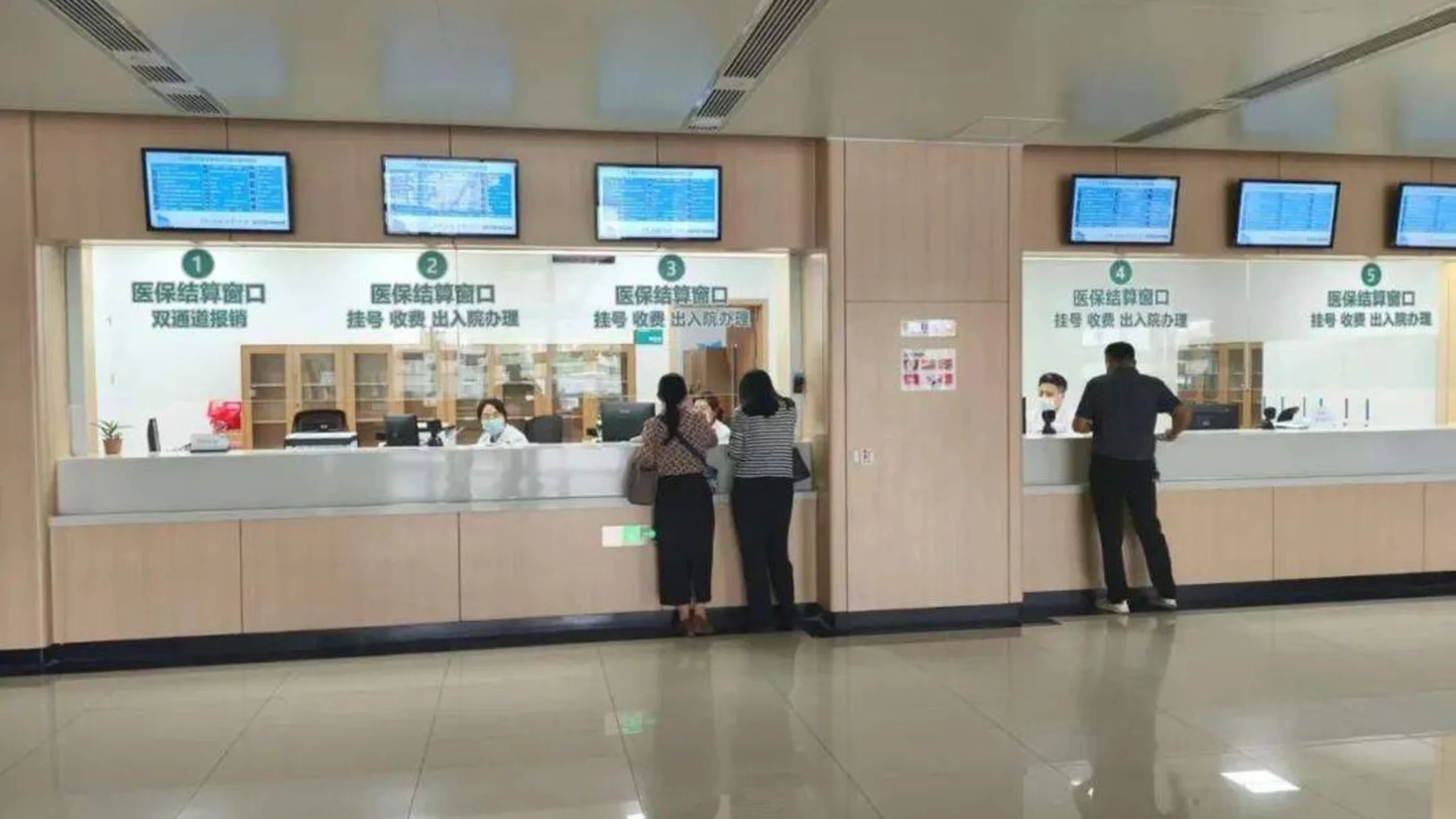
In many hospitals, follow-up may still require a new appointment, a return-visit number, a new consultation payment, or rebooking into the same department. Some hospitals have easier short-period return rules, but they are not universal.
What to bring back for the follow-up
Bring the hospital card or patient number, passport, all test reports, your prescription list, the medicines you are taking now, screenshots of earlier bookings or payments if needed, and a short note on whether symptoms improved, stayed the same, or got worse. That shortens the second visit and reduces repeat explanation.
The best way to think about follow-up
Use one simple mental model: the first visit gives direction, and the follow-up creates the decision. The first doctor identifies the likely problem and orders the next step. The follow-up then uses results or treatment response to decide what happens next. Once you see the workflow that way, follow-up becomes easier to plan and less frustrating.
The one question that matters most
Before you leave, ask: What exactly is the next step, and when should I do it? That question is usually more useful than only asking whether you need a follow-up.
Next step
Go to if you want to estimate repeat-visit expenses, if you want easier follow-up logistics, or if you want the first visit and return visit mapped together.
Source note
This article's structure was shaped using first-appointment and result-review guidance patterns from major hospital systems, especially how they explain staged visits, separate test review, and next-step clarity, then adapted to common outpatient workflows in China.